Staircase Narrow? Piano and Antiques Moves in Mayfair
If you are staring at a narrow staircase, a grand piano, or a fragile antique cabinet and wondering how on earth it will make it out of the building, you are not alone. In Mayfair, this is a very real moving problem: elegant homes, listed interiors, tight hallways, awkward turns, and valuable items that do not forgive mistakes. Staircase Narrow? Piano and Antiques Moves in Mayfair is really about one thing: moving difficult, high-value pieces safely without damaging the item, the property, or your peace of mind.
Whether you are planning a townhouse move, clearing an inherited estate, or arranging a one-off specialist lift, the right approach matters. In this guide, we'll walk through how these moves work, what to check before moving day, and where specialist support fits in. You will also find a practical checklist, a comparison table, and the sorts of real-world details that save time when the stairs are tighter than they look.
Table of Contents
- Why Staircase Narrow? Piano and Antiques Moves in Mayfair Matters
- How Staircase Narrow? Piano and Antiques Moves in Mayfair Works
- Key Benefits and Practical Advantages
- Who This Is For and When It Makes Sense
- Step-by-Step Guidance
- Expert Tips for Better Results
- Common Mistakes to Avoid
- Tools, Resources and Recommendations
- Law, Compliance, Standards, or Best Practice
- Options, Methods, or Comparison Table
- Case Study or Real-World Example
- Practical Checklist
- Conclusion
- Frequently Asked Questions
Why Staircase Narrow? Piano and Antiques Moves in Mayfair Matters
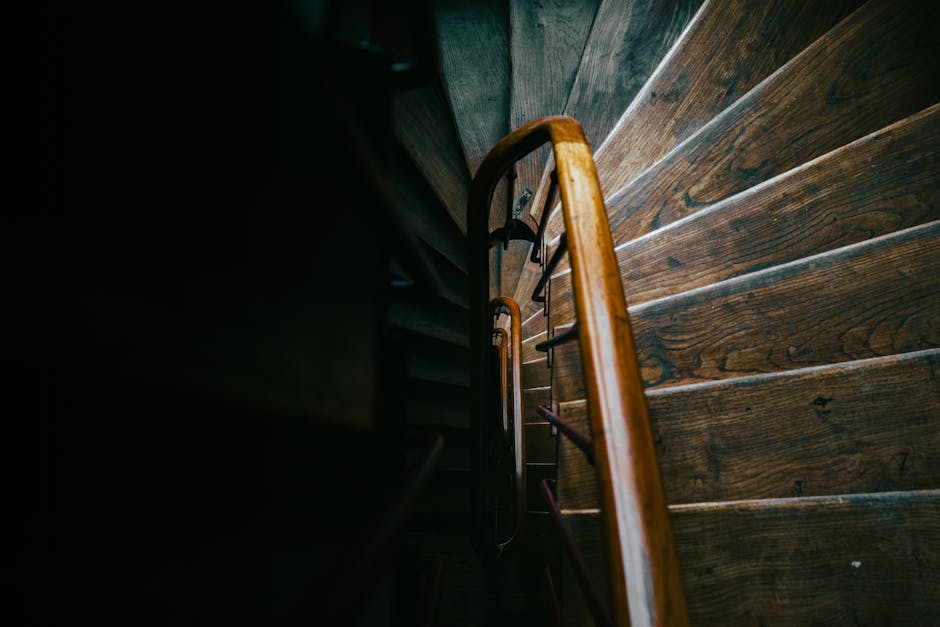
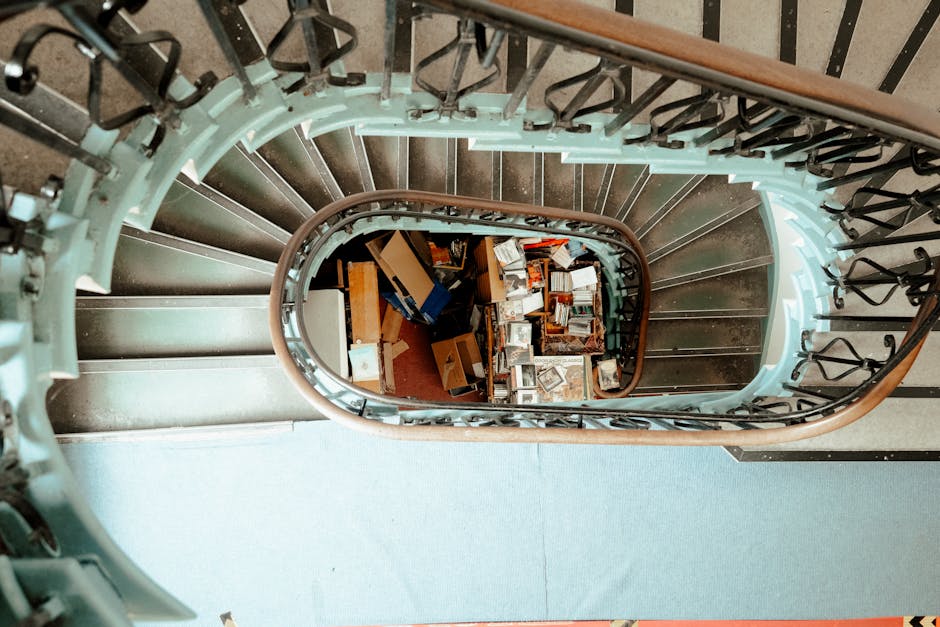
Mayfair properties often combine prestige with practical challenges. Tall ceilings and period features can look beautiful, but they also create awkward access. Narrow staircases, tight turns, delicate bannisters, polished flooring, and front steps that feel fine for a person but not for a piano all raise the level of risk. That is why specialist handling is not a luxury in this context; for many moves, it is the sensible option.
Pianos and antiques are both unforgiving in different ways. A piano is heavy, top-heavy, and internally sensitive. An antique may be lighter but far more vulnerable to vibration, pressure, and changes in handling. A quick grab-and-go move can go wrong very fast. One slipped footing, one clipped wall corner, one rushed bend on a stair landing, and you can turn a straightforward move into a repair bill. Not ideal, to put it mildly.
This is also about protecting the building itself. In Mayfair, properties may have original plasterwork, marble floors, fragile fixtures, or simply very little margin for error. Good moving practice respects both sides of the equation: the item and the space around it.
Expert summary: the narrower the staircase, the more the move depends on preparation, correct lifting technique, the right equipment, and an honest assessment of risk before anyone starts carrying.
How Staircase Narrow? Piano and Antiques Moves in Mayfair Works
Specialist moves usually begin long before the van arrives. A proper survey looks at access from street to door, internal stair width, landing angles, overhead clearance, and whether there are alternative routes such as a lift, balcony access, or rear entrance. In some cases, the move can be completed entirely by staircase. In others, a different method is safer and faster.
The process is often very methodical. The team identifies the item, protects the surfaces, plans the route, and assigns enough people to control the weight and balance of the object. For a piano, that usually includes secure wrapping, skids, straps, and controlled coordination on stairs. For antiques, it may involve custom padding, furniture blankets, corner protection, and careful dismantling where appropriate.
There is a big difference between "it fits" and "it can be moved safely". A sofa can often be persuaded through a difficult turn with enough effort. A piano or a cabinet from the Regency period? That is another story. Truth be told, the best movers are often the ones who slow the job down at the planning stage so they can speed it up on the day.
If the move is part of a larger home relocation, it can help to combine it with broader planning through home moves or, for smaller property changes, flat removals. Where access is especially tight, a man and van style service may suit the logistics, though specialist handling remains the key issue for pianos and antiques.
Key Benefits and Practical Advantages
There are several reasons specialist narrow-staircase moving support is worth considering, especially in central London settings like Mayfair.
- Lower damage risk: proper wrapping, lifting, and route planning reduce the chance of chips, scratches, and structural strain.
- Better property protection: walls, balustrades, floors, and door frames are less likely to be marked or dented.
- Reduced stress on moving day: you are not improvising with a heavy item halfway up the stairs.
- More accurate timing: a clear plan makes it easier to coordinate building access, parking, and lift use.
- Safer for everyone involved: controlled handling is a lot kinder to backs, hands, and confidence levels.
The practical value is easy to underestimate until you are actually standing at the bottom of a Georgian staircase wondering why the angles suddenly look cruel. A specialist approach gives you options. It also gives you room to say, "No, that route is not the right one," which is surprisingly useful.
If the item is not going straight into place, temporary holding arrangements can help. In those situations, secure storage can give you breathing room, particularly when decorating, renovating, or waiting on room access. And if the move includes other large household items, coordinated furniture removals may be worth building into the plan.
Who This Is For and When It Makes Sense
This service makes sense for anyone moving high-value or awkwardly shaped items through restricted access. In Mayfair, that often includes:
- pianos in townhouses, apartments, and upper-floor residences
- antique wardrobes, sideboards, mirrors, and display cabinets
- collectors moving pieces with sentimental or financial value
- interior designers handling fragile inherited items
- landlords and estate managers clearing furnished properties
- families managing probate or downsizing moves
It is also relevant when the staircase is narrow but not impossible. That distinction matters. Plenty of moves are technically possible, but still unwise without the right support. Do you really want to risk a century-old veneer because the staircase looked "probably fine" at first glance? Probably not.
For some customers, the issue is not just the staircase but the whole move pattern. If you are transferring valuable pieces alongside household items, you may want a broader removal plan via removal services or a more fully managed option such as removals. Where business assets are involved, the same careful logic applies to commercial moves and office removals.
Step-by-Step Guidance
Here is a sensible way to approach a narrow staircase piano or antiques move in Mayfair.
- Measure access properly. Check stair width, landing space, ceiling height, turning radius, and door clearances. Take note of radiators, lighting, and any decorative features that could snag the item.
- Assess the item. Find out the dimensions, approximate weight, and any fragile parts. For pianos, note whether it is upright or grand. For antiques, look for loose joints, glass panels, mirrors, or detachable sections.
- Decide the safest route. Staircase, lift, rear access, courtyard, or alternative entry. Sometimes the shortest route is not the smartest one. Funny how that works.
- Prepare protection. Wrap the item, protect corners, and shield floors and walls. If the building has sensitive finishes, add extra padding at turning points.
- Coordinate manpower. Make sure enough people are present to keep the item level and controlled. One person can guide, but they should not be guessing.
- Move slowly and communicate. Use clear commands, pause at landings, and check balance before every turn.
- Set down carefully. Do not rush the final placement. A careful landing prevents last-second damage that tends to happen when everyone thinks the job is already done.
Where the move involves a piano, professional support from piano removals is usually the most sensible route. Pianos are structurally and mechanically more complicated than they look from the outside. And antiques? They often hide their weak spots until the wrong pressure finds them.
Expert Tips for Better Results
After enough difficult moves, a few patterns become obvious. The best results usually come from the small decisions made early.
First, photograph everything before the move. It sounds simple, but it helps with planning, insurance records, and post-move checks. A quick phone photo can be a useful reference if anything needs reviewing later.
Second, do not overpack fragile pieces. Heavy wrapping is good; excessive pressure is not. If you are dealing with antique veneers, carved detailing, or protruding handles, give them room.
Third, protect the route, not just the item. A lot of people focus on wrapping the piano and forget the staircase itself. In Mayfair buildings, the route can be the most delicate part of the whole job.
Fourth, consider timing. Moving on a quieter day or at a sensible hour can make access easier and reduce disruption. Early morning often feels calmer. Less foot traffic, less pressure, fewer awkward pauses at the doorway.
Fifth, be honest about what should not be attempted. If a piece cannot turn safely on the landing, forcing it is not bravery. It is bad maths.
For packing support, it may help to use packing and boxes or, if you want a fuller handover, packing and unpacking services. They are especially useful when antiques need careful categorisation, labelling, or staged loading.
Common Mistakes to Avoid
Most problems on narrow-staircase moves come from rushing or assuming the item will behave like a normal piece of furniture. It won't. Not even close.
- Measuring only the doorway: the staircase and landing often create the real bottleneck.
- Ignoring turning angles: what fits in a straight line may fail at the bend.
- Using too few people: a heavy item needs controlled handling, not optimism.
- Leaving protection until the last minute: if blankets and wraps are being found on the fly, you are already behind.
- Forgetting building rules: some properties have access windows, loading restrictions, or concierge procedures.
- Assuming all antiques are sturdy: a piece can look solid and still be vulnerable at joints, feet, or decorative sections.
Another common one? Thinking "it'll be fine if we just angle it a bit more." Sometimes that works. Sometimes it is the sentence that starts the trouble. Let's face it, stairs are wonderfully indifferent to wishful thinking.
Tools, Resources and Recommendations
You do not need a mountain of equipment, but the right moving tools make a significant difference. For narrow stair access, useful items often include:
- padded removal blankets
- heavy-duty straps and carrying harnesses
- furniture dollies or skids where appropriate
- corner protectors and floor runners
- soft wraps for polished or carved surfaces
- basic hand tools for safe dismantling and reassembly
A clean, well-lit route also counts as a resource. If possible, clear rugs, remove loose items, and make sure doors can open fully. A tiny obstruction at the bottom of the stairs can become a very annoying problem when a piano is already in motion.
For larger or mixed-load moves, a specialist vehicle can help keep everything organised. Options such as a removal van, moving truck, or removal truck hire may be useful depending on volume and access. If the job needs broader logistical support, removal companies can help coordinate the different parts of the move.
Law, Compliance, Standards, or Best Practice
For this kind of move, the most important point is not legal complexity but responsible practice. In the UK, moving teams should work with sensible manual handling methods, proper risk awareness, and attention to the safety of workers, occupants, and the building. If a move looks unsafe, it should be paused and reassessed. That is standard good practice, not over-caution.
Insurance is another important consideration. For valuable pianos and antiques, you want clarity on what is covered, what declarations are needed, and whether the item's condition has been documented beforehand. It is worth checking the details rather than assuming everything is covered automatically. That little chat before the move can save a lot of headache later.
Professional movers should also respect property access arrangements, neighbour considerations, and any building-specific procedures. In Mayfair, this is especially relevant in shared or managed buildings where lifts, loading bays, or concierge instructions may apply. The basics matter: careful handling, honest communication, and leaving the premises tidy.
For more on standards around safe handling and business practices, it is sensible to review a provider's health and safety policy and insurance and safety information before booking.
Options, Methods, or Comparison Table
Not every narrow-staircase move needs the same method. Here is a simple comparison of common approaches.
| Method | Best for | Strengths | Limitations |
|---|---|---|---|
| Staircase move | Moderately tight access with enough turning space | Direct, often efficient, no extra equipment required in simple cases | Can be risky for large pianos or fragile antiques |
| Lift-assisted move | Buildings with suitable lift access | Reduces stair handling, often easier on the item | Lift dimensions and permissions can be limiting |
| Alternative entrance | Rear access, courtyard, or wider secondary entry | Can bypass the narrowest part of the route | May require extra planning and access approval |
| Specialist dismantling | Antiques and some pianos where components can be safely separated | Improves manoeuvrability and reduces strain | Not suitable for every item; needs experience |
In practice, the best choice depends on the item, the staircase geometry, and the building. A thoughtful mover will not simply default to one method every time. They will choose the safest one. Quite a difference.
Case Study or Real-World Example
Picture a late-afternoon move in Mayfair. A family is preparing to move an upright piano from a first-floor drawing room, along with a pair of antique side tables and a tall bookcase. The staircase is narrow, the turn onto the half-landing is awkward, and the hallway has polished surfaces that show every scuff.
The first instinct might be to bring the piano down by the front stairs and hope for the best. Instead, the team measures the route, pads the banister, protects the floor, and clears the landing. The piano is wrapped and guided down in short stages with controlled pauses. The antique tables are moved separately so they do not add clutter to the route. The bookcase is checked for removable shelves and stabilised before lifting.
The move takes longer than a casual guess would suggest, but that is not a bad thing. Nothing is forced. Nothing scrapes. The family gets the piano into the van and the antiques arrive without fresh damage. It is a calmer experience overall, and the room at the other end still looks like a room, not a repair project.
That is the difference a specialist mindset makes. Not drama. Just careful work.
Practical Checklist
Use this checklist before booking or beginning a narrow-staircase piano or antiques move:
- Measure the staircase, landings, doorways, and any alternate access points.
- Identify the exact item type, dimensions, and any detachable parts.
- Check for fragile surfaces, loose joints, keys, pedals, glass, or mirrors.
- Decide whether a stair move, lift, or alternative entrance is safest.
- Confirm whether the building has access rules, time windows, or parking limits.
- Prepare padding, wraps, blankets, and floor protection.
- Arrange enough people to move the item safely and steadily.
- Photograph the item before loading for your own records.
- Ask about insurance and liability in plain English.
- Plan the final placement so the item is not moved twice unnecessarily.
If you are moving only a single valuable item or a small set of pieces, a smaller-scale support option such as man with a van or man with van may be enough, provided the handling is still specialist and careful. For same-day problems or urgent access changes, same day removals can sometimes be the practical answer.
Get a free quote today and see how much you can save.
Conclusion
Narrow staircases, valuable pianos, and delicate antiques are not a combination to leave to guesswork. In Mayfair, where access is often beautiful but not especially forgiving, success comes from clear planning, the right equipment, and a calm, experienced approach. The move may take a little more thought, but that extra thought is exactly what protects the things you care about.
If you are facing a difficult access move, take the time to measure properly, ask the right questions, and choose the method that keeps both the item and the property safe. It really is better to arrive a little more prepared than to be clever on the stairs. And if the job feels unusually awkward, that is usually your cue to slow down, not speed up.
Small, careful decisions make a big difference. Especially on a narrow staircase.
Frequently Asked Questions
Can a piano be moved up or down a narrow staircase in Mayfair?
Often yes, but only if the staircase dimensions, landings, and turning angles allow it safely. Upright pianos are sometimes manageable on stairs, while grand pianos may need a very different approach. A proper assessment is essential before anyone lifts a thing.
What makes antique furniture harder to move than regular furniture?
Antiques can have weak joints, fragile veneers, decorative trim, glass, or unstable internal construction. They may also be more sensitive to vibration and pressure. What looks solid on the outside can be surprisingly delicate once moved.
Do narrow staircases always mean the item cannot be moved?
No, not always. Many items can still be moved with the right planning, protection, and manpower. The point is to judge the route properly rather than assuming failure before trying. Sometimes there is an alternative entrance or a safer angle that solves the problem.
How do movers protect walls and bannisters during a tight move?
They usually use blankets, padding, floor runners, and extra protection at pinch points or turning areas. The route matters as much as the item. In older Mayfair properties, those protections are not optional in practice; they are part of doing the job properly.
Should I dismantle antiques before moving them?
Only if it can be done safely and reversibly. Some pieces benefit from careful dismantling, but others are better left intact. The best decision depends on the construction, the fragility of the piece, and whether reassembly is straightforward.
How much notice should I give for a specialist piano or antiques move?
As much as you can, especially if access is tight or building permissions are needed. Some moves can be arranged quickly, but planning time usually improves the result. Last-minute bookings can work in some cases, though the choices may be narrower.
Is storage useful if my new room is not ready yet?
Yes. If the destination is not ready, temporary storage can reduce pressure and prevent damage from rushed placement. It is especially useful during decorating, refurbishment, probate, or staged move-ins.
What should I ask about insurance before booking?
Ask what is covered, whether valuable items need to be declared, and what documentation is needed if there is pre-existing wear. Clear answers matter more than reassuring generalities. You want to know the practical details, not just be told everything is "fine".
Can a man and van service handle a piano or antique move?
Sometimes, but only if the provider has the right handling experience and equipment for the specific item. A smaller service can be suitable for access or transport, but specialist care is still the deciding factor. The label matters less than the capability.
What is the safest way to move an expensive item in a listed Mayfair property?
Usually the safest way is the one that minimises contact, strain, and unpredictable turns. That might mean using a different entrance, adding more protection, or bringing in a specialist team. In listed or high-spec interiors, caution is worth more than speed.
Can same-day removals work for urgent piano or antiques moves?
Yes, in some cases. If access is straightforward and the item can be assessed quickly, same-day help may be possible. For complicated narrow-stair jobs, though, a bit more notice usually leads to a safer result.
What is the biggest mistake people make with narrow staircase moves?
They underestimate the route. People often measure the item and forget the turning space, landing, ceiling height, and protection needed for the building itself. That one oversight causes a lot of avoidable stress.
Where can I get help if the move involves the whole property, not just one item?
If the move includes furniture, household contents, or a complete relocation, broader support through house removals or house removalists may be more suitable. For smaller or mixed loads, a general removal services approach can be the better fit. The right choice depends on how much needs moving and how awkward the access is.