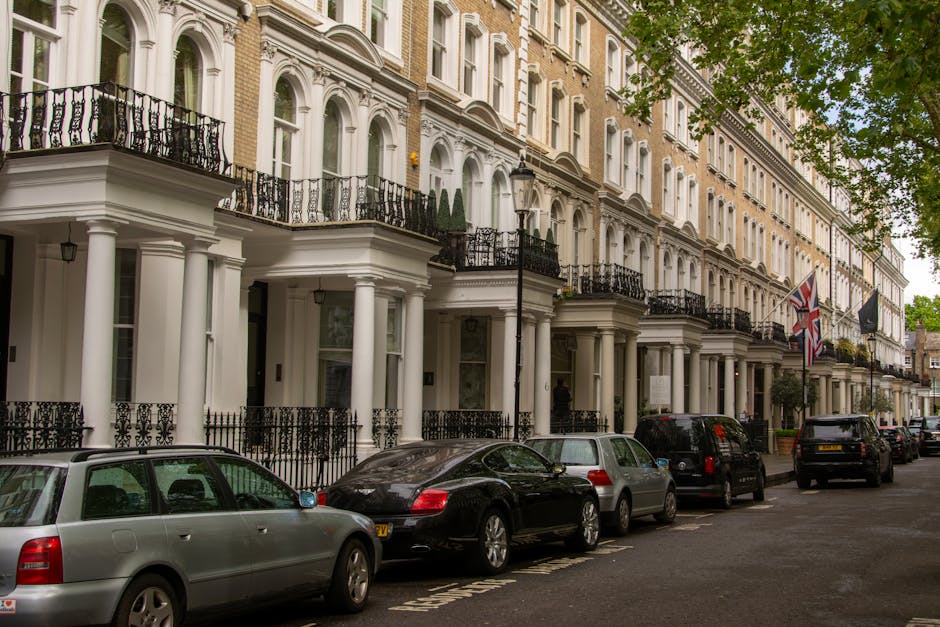
Park Lane Flats: Mayfair Removals for Luxury Apartments
Moving out of a Park Lane flat sounds glamorous from the outside. In reality, it often means tight lobbies, awkward lift access, delicate furniture, parking headaches, and a building manager who wants everything done yesterday but also perfectly quietly. That is exactly why Park Lane Flats: Mayfair Removals for Luxury Apartments needs a different approach from a standard London move.
If you are relocating from a luxury apartment in Mayfair, you are not just moving boxes. You are protecting finishes, coordinating access, respecting neighbours, and trying to keep the whole thing calm and controlled. Done well, it feels almost invisible. Done badly, it becomes one of those days you never really forget. This guide breaks down what matters, how the process works, what to expect, and how to choose the right support for a high-value flat move in one of London's most demanding postcodes.
You may also find it useful to browse the wider services overview and the dedicated flat removals in Mayfair page if you want a service-level view before you plan the details.
Table of Contents
- Why Park Lane Flats: Mayfair Removals for Luxury Apartments Matters
- How Park Lane Flats: Mayfair Removals for Luxury Apartments Works
- Key Benefits and Practical Advantages
- Who This Is For and When It Makes Sense
- Step-by-Step Guidance
- Expert Tips for Better Results
- Common Mistakes to Avoid
- Tools, Resources and Recommendations
- Law, Compliance, Standards, or Best Practice
- Options, Methods, or Comparison Table
- Case Study or Real-World Example
- Practical Checklist
- Conclusion
- Frequently Asked Questions
Why Park Lane Flats: Mayfair Removals for Luxury Apartments Matters
Park Lane and the wider Mayfair area are not typical moving environments. Buildings tend to have stricter rules, more traffic pressure, more concierge involvement, and more valuable items per square metre. Even a modest apartment can still contain expensive art, designer furniture, a grand piano, or a wine collection that needs careful handling. So yes, the surroundings matter a lot.
Luxury apartment removals are about more than strength and transport. They require timing, discretion, and a proper plan for access. If your move involves service lifts, narrow corridors, listed buildings, or basement storage, one small mistake can create a chain reaction. A scratched wall. A delayed lift booking. A blocked entrance. It sounds minor until you are standing in the lobby at 7:45 in the morning with a sofa that will not turn the corner.
This is where a local, well-organised team makes a real difference. The best Mayfair removals companies understand the rhythm of the area, the expectations of building staff, and the practical reality of moving in an affluent central London neighbourhood. If you are selling or buying nearby, it is also worth reading about home selling in Mayfair and whether Mayfair suits long-term living, because moves here often happen alongside major life changes.
Expert summary: For Park Lane flats, the best move is the one that is planned around access, protection, and building rules before a single item is lifted. That is the difference between a stressful day and a smooth one.
How Park Lane Flats: Mayfair Removals for Luxury Apartments Works
A proper luxury flat move in Mayfair usually starts with a survey or detailed quote. This is not just about volume. It is about what you own, where it is located, how it is packed, and how the building works. A mover should want to know whether the property has lift access, whether there are stair-only sections, if parking is restricted, and whether any large items need dismantling.
From there, the process normally follows a clean sequence:
- Pre-move assessment: the mover reviews inventory, access points, and any specialist items.
- Packing plan: fragile goods, artworks, glass, and electronics are grouped and labelled properly.
- Building coordination: concierge, management, or neighbours are informed where needed.
- Protection setup: door frames, floors, bannisters, and lift interiors are protected before movement begins.
- Loading and transport: items are moved in a controlled order to avoid congestion and damage.
- Delivery and placement: furniture is placed into the new apartment with as little disruption as possible.
In luxury apartment moves, the sequence matters as much as the lifting. A good team will usually create a route through the property before move day, deciding which items exit first and which pieces should be handled by specialist furniture movers. If a sofa is too large for the lift or a dining table needs dismantling, that is better discovered early than on the day itself. Truth be told, most moving problems are not dramatic. They are just poorly planned.
If you are also considering wider moving support, you can review removal services in Mayfair or compare it with man and van in Mayfair for smaller, simpler moves. Park Lane luxury apartments usually need a more tailored setup, though.
Key Benefits and Practical Advantages
The main benefit of a specialist approach is control. That sounds simple, but control is what you need most when moving from a high-value flat in central London. You want to reduce damage risk, avoid delays, and keep the process discreet.
Here are the practical advantages that matter most:
- Better protection for luxury items: High-end furniture, mirrors, and artwork are packed and handled with more care.
- Less disruption: A well-run move respects shared spaces, staff routines, and building noise expectations.
- Fewer access surprises: Experienced movers plan for tight staircases, lift bookings, and limited parking.
- Time efficiency: A coordinated team works faster because the packing, loading, and route are planned.
- Lower stress: You are not trying to solve every problem yourself while the clock keeps moving.
- More discretion: In Mayfair, privacy matters. A good move feels calm, not chaotic or showy.
There is also a less obvious benefit: reputational ease. In premium apartment buildings, people notice how moves are handled. A smooth, polite, tidy removal team helps you leave the right impression. That matters more than many people admit.
For larger items, specialist support such as furniture removals in Mayfair or piano removals in London can be essential. A grand piano, for example, is not something you want to "just see how it goes" with. Let's face it, that is not a plan.
Who This Is For and When It Makes Sense
This kind of service is for anyone moving from a flat where the property itself is valuable, the building has restrictions, or the contents need careful handling. That includes:
- owners of Park Lane and nearby Mayfair apartments
- tenants moving between luxury flats
- international residents with high-value belongings
- landlords preparing a premium property for re-let
- executives relocating on tight timelines
- couples downsizing from a large apartment into a smaller central London home
It also makes sense if your move involves specialist logistics. For example, perhaps the concierge only allows a move-in window on a weekday morning, or your lease requires lift booking in advance. Maybe you are moving an art collection, multiple wardrobes, or a fragile antique cabinet inherited from family. These are exactly the sorts of details that turn a simple removal into a careful operation.
Sometimes the need is practical, not glamorous. A tenancy ends quickly. A renovation runs late. A new property is ready sooner than expected. In those cases, services like same-day removals in Mayfair can help, though that should still be handled with caution and realistic expectations.
Step-by-Step Guidance
If you want the move to go well, treat it like a project, not a last-minute errand. Here is a sensible sequence.
1. Start with access, not boxes
Before you pack a single lamp, ask the practical questions. Where can the van stop? How wide are the corridors? Is there a service lift? Are there time restrictions? Can the building protect the lift interior, or must your mover provide protection? These answers shape everything else.
2. Build a room-by-room inventory
Luxury apartments often hide more items than people realise. A drawer full of cables. Storage ottomans. Fragile ornaments. Books, records, and small valuables that can disappear into the general chaos if they are not listed. A simple inventory helps both pricing and accountability.
3. Separate the specialist items early
Mark out items that need extra care: artwork, chandeliers, mirrors, wine, antiques, high-end electronics, gym equipment, or musical instruments. If you need packing support, the local packing and boxes Mayfair service can make a huge difference. Good packing is not flashy, but it saves you from the awful little crack or chip that ruins the mood later.
4. Book parking and building permissions
In central London, this is not optional. Plan the vehicle access, loading bay use, and any permits well in advance. If the building has a concierge or management office, share the move plan early. People are much more helpful when they are not surprised.
5. Confirm insurance and handling standards
Ask how items are protected, what insurance cover is available, and how breakables are handled. You do not need a lecture, just clear answers. A professional mover should explain the process in plain English. If they dodge these questions, that is a red flag.
6. Move in the right order
Usually, bulky furniture and boxes should be moved methodically, not in a random rush. The team should clear walkways, keep fragile items separated, and leave final essentials until the end. A tidy sequence saves time, and nerves too.
7. Check the destination before unloading
Luxury flats often need furniture placed carefully to avoid blocking doors, balconies, or hidden storage access. It helps to walk through the new apartment first so you can direct placement without second-guessing. A few minutes here can prevent a lot of heavy lifting later.
Expert Tips for Better Results
A few small choices make a surprisingly big difference on move day.
- Photograph your rooms before packing. It helps with organisation and gives you a visual record if you need to confirm item condition.
- Use colour-coded labels. Blue for kitchen, green for bedroom, red for fragile. It sounds almost too simple, but it works.
- Keep one essentials box with you. Documents, chargers, a kettle, toiletries, keys, and a change of clothes should not disappear into the main load.
- Protect floors and corners. In premium apartments, finish damage is one of the most avoidable problems.
- Book a realistic time slot. Central London traffic can be unhelpful at the best of times. Build in buffer time.
- Ask about recycling and reuse. If you are clearing items, a responsible mover should be able to advise on disposal or reuse options. See also recycling and sustainability.
One small but useful habit: keep a separate note for the items you absolutely do not want buried under everything else. That one lamp you use every night. The coffee machine. The spare keys. The chargers. The basics matter more than people think when the first evening in the new flat arrives and nobody can find the one cable you really need.
If you are comparing moving support styles, you may also want to review man with a van in Mayfair, man with van in Mayfair, and removal van London. For Park Lane flats, the right choice depends on scale, access, and how much care the contents require.
Common Mistakes to Avoid
Most problems in luxury apartment removals are predictable. That is the annoying part. But it also means they are avoidable.
- Underestimating access restrictions: A beautiful flat can still have a painfully awkward staircase or lift limit.
- Leaving packing too late: Rushed packing leads to broken items and missing essentials.
- Not checking item dimensions: Many expensive sofas and wardrobes are lovely until they meet a narrow corridor.
- Skipping building communication: If the concierge or management is not informed, delays are likely.
- Choosing purely on price: The cheapest quote is not always the best value, especially when the property and contents are high value.
- Forgetting storage needs: If the new property is not ready, you may need short-term space. It is better to plan that early with storage in Mayfair.
- Not asking about insurance: You want clarity before the van arrives, not after something has gone wrong.
Another mistake is assuming the move will "probably be fine" because it looks straightforward. I've seen enough central London moves to say this gently: probably is not a strategy. A little planning, honestly, goes a long way.
Tools, Resources and Recommendations
You do not need fancy kit for a good move, but you do need the right practical tools. Here is a useful starter list.
| Tool or resource | Why it helps | Best use |
|---|---|---|
| Strong boxes and labels | Keeps items organised and easier to place on arrival | General household packing |
| Bubble wrap and paper | Protects fragile and high-gloss items | Glassware, art frames, decor |
| Furniture blankets | Reduces scuffs and impact damage | Tables, wardrobes, sofas |
| Wardrobe cartons | Useful for clothes that should stay hanging | Closets and formal wear |
| Tape, markers, and inventory sheets | Helps keep packing controlled | Whole-property planning |
| Building contact details | Essential for access coordination | Mayfair apartments with concierge or management |
For many clients, the most useful resource is simply a competent local mover who understands the area. That includes the practical side of central London work, but also the service side: clear quotes, polite communication, and realistic timings. If you want to explore costs, the pricing and quotes page is a sensible next step. And if you need to ask a question before booking, the contact page is there for that.
For people moving for work, study, or temporary relocation, it may also help to compare with student removals in Mayfair just to understand how moving requirements change by situation. Different needs, different tools. Simple as that.
Law, Compliance, Standards, or Best Practice
With premium removals, compliance is less about dramatic legal issues and more about doing things properly. In London, that often means being careful with parking rules, access arrangements, waste disposal, and health and safety duties. A reputable company should work in line with sensible UK moving practices, use trained staff, and carry appropriate insurance for the work they do.
For you as the client, the best practice is to ask questions early:
- Is the move covered by suitable insurance?
- How are fragile or high-value items handled?
- What happens if access is delayed?
- Are packing materials provided or supplied separately?
- How is waste or unwanted furniture dealt with?
It is also wise to check company information pages that explain business practices clearly. A trustworthy operator should be open about insurance and safety, health and safety policy, terms and conditions, and payment and security. These pages are not exciting reading, no. But they are useful. They tell you a lot about how seriously a business takes risk and accountability.
If a mover cannot explain their process in a calm, direct way, that is worth paying attention to. Clear communication is part of the service, not an extra.
Options, Methods, or Comparison Table
Not every Park Lane move needs the same setup. The right method depends on the size of the apartment, the value of the contents, and the access conditions. Here is a simple comparison.
| Option | Best for | Strengths | Limitations |
|---|---|---|---|
| Man and van | Smaller loads, lighter moves, quick relocations | Flexible, often cost-effective, good for simple access | May not suit full luxury apartment moves with complex handling needs |
| Dedicated flat removal team | Full apartment moves with furniture, fragile items, and coordination needs | Better planning, more protection, more control | Usually costs more than a basic vehicle-only approach |
| Specialist furniture and item handling | Large, awkward, or high-value items such as pianos or antiques | Reduces damage risk for difficult objects | Needs more planning and may require separate scheduling |
| Storage-first move | When completion dates do not line up or renovation is ongoing | Keeps the move flexible | Adds an extra step and more coordination |
For most Park Lane flats, a tailored removal service is the safest choice. The point is not to use the biggest truck or the most expensive option. The point is to match the method to the property. That is what keeps the day calm.
Case Study or Real-World Example
Here is a realistic example based on the sort of move that happens often in Mayfair.
A couple is leaving a two-bedroom Park Lane apartment for a townhouse elsewhere in London. Their flat includes a marble dining table, framed artwork, a low-profile sofa, several wardrobes, and a few items that cannot be simply stacked in boxes. The building has a service lift, but only one booking window in the morning. Parking near the entrance is limited, and the concierge wants clear timings in advance.
Instead of packing at the last minute, they start three days earlier. They separate documents, clothing, and daily-use items into an essentials set. Fragile decor is wrapped carefully. The moving team reviews dimensions before arrival and confirms the route for the largest furniture items. One wardrobe needs dismantling, so that is flagged early. A small storage unit is arranged for a bench and two spare armchairs that will not fit the new layout straight away.
On move day, things still feel busy, because of course they do. But the building is informed, the lift is protected, and the team already knows which items need the most care. The move finishes without drama, which is exactly what you want. No fanfare. No mystery scratches. Just a clean handover and a relieved cup of tea at the other end.
That sort of result is not luck. It comes from preparation, honest communication, and using the right local service for the job.
Practical Checklist
Use this checklist as your final pre-move sanity check. It is simple, but it catches a lot.
- Confirm moving date and access times
- Notify concierge or building management
- Check lift booking requirements
- Arrange parking or loading permissions
- Measure large furniture and doorways
- List fragile, valuable, or awkward items
- Decide what goes into storage, if anything
- Pack an essentials box for the first 24 hours
- Label boxes by room and priority
- Verify insurance and payment details
- Keep key documents and valuables with you
- Walk through the property before loading begins
Practical takeaway: If you handle access, packing, and communication early, the actual moving day becomes much easier. Not effortless, but manageable. Which is the whole aim, really.
Conclusion
Park Lane flat removals are not just about moving household goods. They are about protecting value, respecting a demanding environment, and keeping a premium apartment move under control from start to finish. Whether you are leaving a rental, selling a luxury property, or relocating within central London, the details matter more than people expect.
The good news? With the right planning, the right packing, and the right local support, even a complex Mayfair apartment move can be smooth and surprisingly calm. You do not need drama. You need clarity, timing, and a team that understands how this part of London works.
If you are preparing a move in or out of Park Lane, take the next step with a proper quote, ask the awkward questions early, and give yourself enough time to do things properly. That one decision often saves you a lot of stress later.
Get a free quote today and see how much you can save.
If you want to continue planning, you can also explore the about us page to understand the service background and values behind the move.
Frequently Asked Questions
What makes Park Lane flats different from a standard apartment move?
Park Lane flats often involve tighter building rules, more valuable contents, and more complex access arrangements. The move usually needs extra care, planning, and discretion.
How far in advance should I book a luxury apartment removal in Mayfair?
As early as possible, especially if the building has limited lift availability or parking restrictions. For busy periods, booking ahead gives you much more control.
Do I need packing help for a high-end flat move?
Not always, but it is strongly worth considering if you have fragile decor, artwork, glass furniture, or valuable electronics. Professional packing reduces risk and saves time.
Can movers handle pianos, antiques, and artwork?
Yes, if they offer specialist handling and have the right equipment and experience. Items like pianos and delicate art should be discussed separately before move day.
Is storage useful if my new apartment is not ready yet?
Yes. Short-term storage can bridge gaps between completion dates, refurbishments, or tenancy changes. It is often the calmest solution when timing does not line up neatly.
What should I ask a moving company before booking?
Ask about insurance, access planning, packing options, timing, parking, and what happens if the building rules are stricter than expected. Clear answers are a very good sign.
How do I protect floors and walls in a luxury building?
Use proper coverings and make sure the moving team provides protection for corners, doors, and lift interiors. Good movers treat common areas carefully from the start.
Are same-day removals suitable for Park Lane apartments?
Sometimes, but only if the move is straightforward and access is already confirmed. Same-day work can be useful, though it is not ideal for every luxury flat situation.
What is the difference between man and van and a full removal service?
A man and van service is often better for smaller, simpler loads. A full removal service is more suitable for larger luxury apartment moves with fragile or high-value items.
How do I prepare for moving day in a concierge building?
Share timings in advance, confirm lift booking rules, keep contact details handy, and ensure the team knows where to park or load. A little coordination goes a long way.
Can I reuse boxes and packing materials for a move like this?
Yes, if the boxes are strong and in good condition. For fragile items, use proper packing materials rather than guessing. Reused materials are fine when they are still reliable.
What should I do if I have valuable items I do not want packed with everything else?
Keep them separate, label them clearly, and move them yourself if that feels safer. Documents, jewellery, and irreplaceable items are often best kept close.